Why Fragmented Workflows Undermine Healthcare Compliance Automation
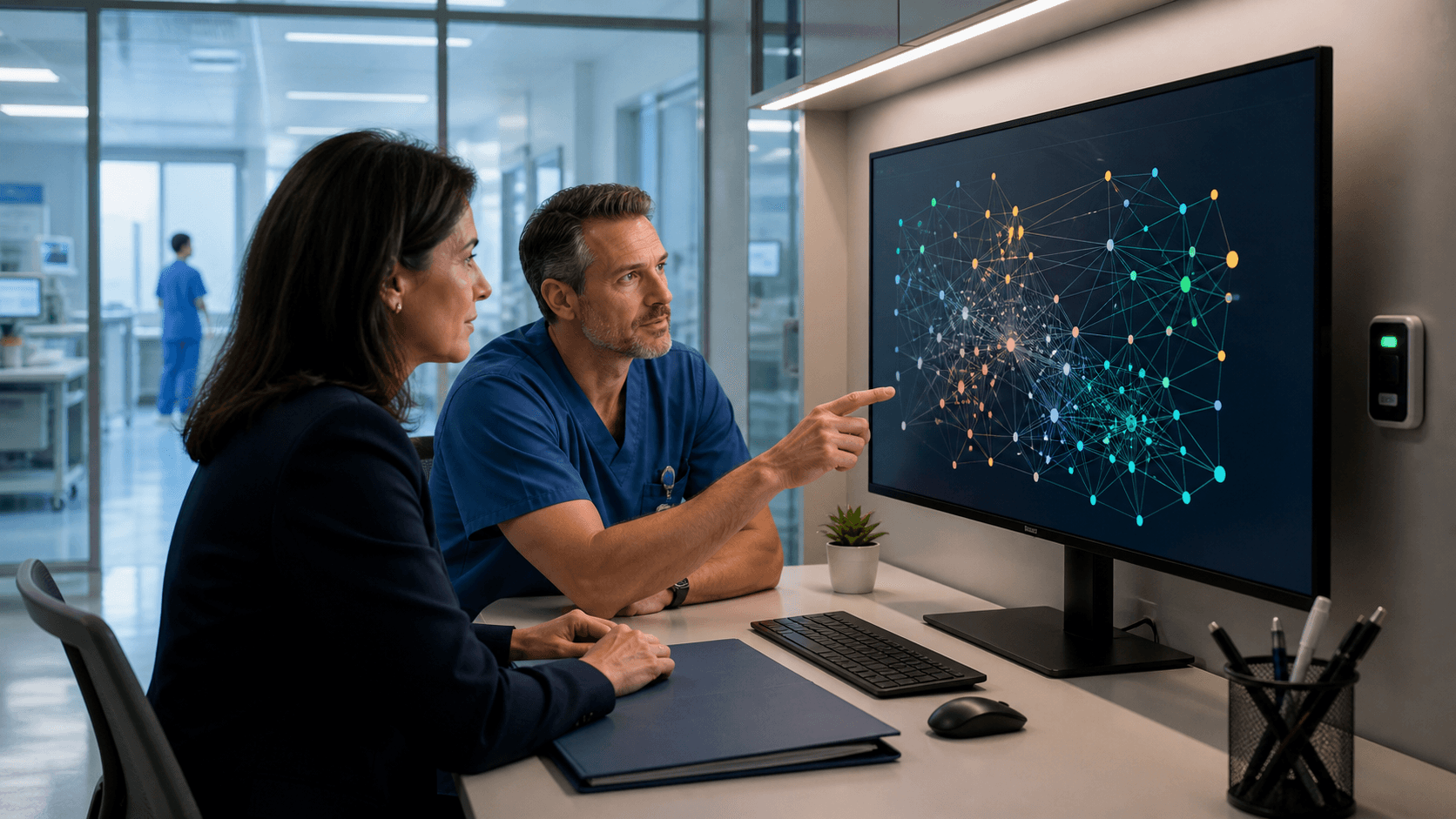
Fragmented workflows can create quiet compliance risks long before a report, complaint, or audit brings them into view. You may have strong policies, trained staff, and plenty of reports, yet still miss meaningful signals when medication activity, chart access, clinical notes, and follow-up tasks live in separate places.
At Clinical Compliance Solutions, we see healthcare compliance automation as more than a way to reduce manual work. It should give your teams clearer visibility, defined accountability, and better documentation across high-risk workflows. Fall is a smart time to look for gaps before year-end reporting, staffing changes, audit activity, and planning discussions take center stage.
Fragmented Workflows Hide the Signals That Matter
When information is spread across systems and departments, the right people may not see it soon enough. A medication discrepancy may require pharmacy data, nursing context, and a compliance review. An unusual access pattern may sit unnoticed until someone raises a concern. An incomplete note may create questions later, when the clinician has moved on to the next patient.
The data may exist, but that does not mean it is easy to use. Compliance, pharmacy, nursing, health information management, privacy staff, and clinical leadership can each hold one part of the story. Pulling those pieces together through emails, spreadsheets, delayed reports, and informal conversations can slow the review process and make follow-up harder to document consistently.
Common signs of workflow fragmentation include:
- Reports that arrive after a concern has already grown
- Manual handoffs between departments with unclear ownership
- Different teams tracking follow-up in different places
- Investigations that start without a complete view of the activity
- Documentation that does not clearly show what happened next
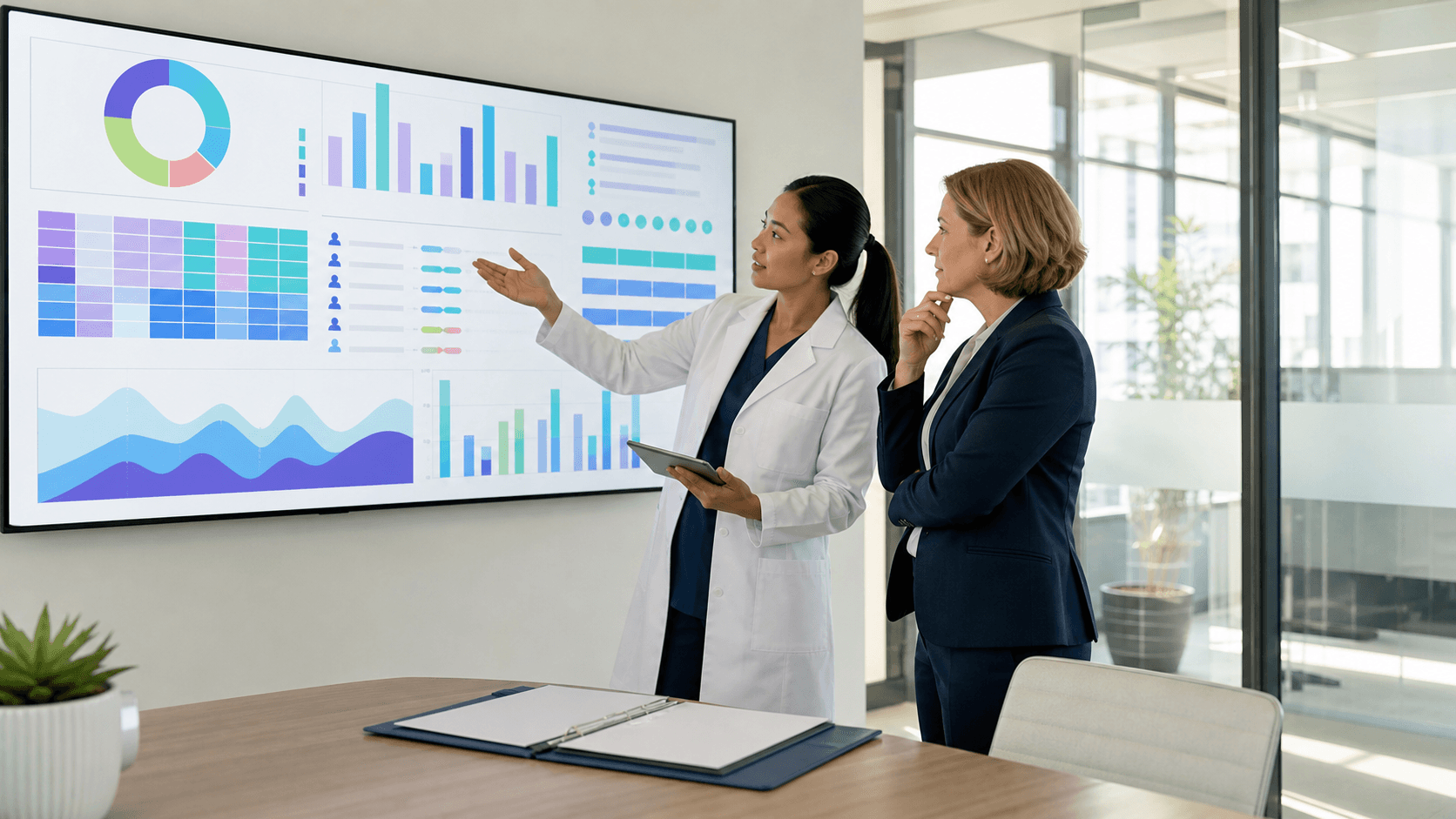
A healthcare compliance automation platform strategy should reduce these blind spots rather than simply digitize one task at a time. We believe automation should support earlier awareness and organized review while keeping human judgment, policy governance, and appropriate investigation procedures firmly in place.
Strengthen Diversion Oversight with Continuous Monitoring
Drug diversion concerns can be difficult to spot when your organization relies only on occasional audits, isolated reports, or manual comparisons of medication-related information. Those methods can require teams to search through a large volume of activity after a concern has already surfaced. That approach can leave reviewers with a lot to sort through and limited time to do it.
Haystack iS is an AI-powered platform for continuous drug diversion monitoring. Instead of waiting for a scheduled review or a reported issue, continuous monitoring can help surface patterns that may warrant closer attention from authorized personnel. This helps your team focus its time on activity that needs a thoughtful review.
A stronger oversight process is not about having software make disciplinary decisions. It is about giving the right team better support to investigate potential concerns consistently and document its response according to established procedures. Within a broader healthcare compliance automation platform approach, Haystack iS can help connect diversion monitoring to the people and processes responsible for follow-up.
That distinction matters. Alerts are starting points, not final conclusions. We encourage health systems to define who reviews a concern, how it is escalated, what information is gathered, and where the outcome is documented. Clear processes help turn monitoring insights into accountable action.
Reduce Documentation Burden Without Losing Oversight
Clinical documentation is another area where fragmented workflows can affect both patient care and compliance readiness. Clinicians often must balance patient conversations, note creation, and administrative requirements throughout a busy day. When that work becomes difficult to manage, notes may be delayed, incomplete, or inconsistent.
Microsoft Dragon Copilot is a clinical documentation support solution designed to help clinicians capture and create documentation more efficiently. The goal is not to replace clinician review or clinical judgment. Instead, documentation support can help make the process less burdensome while keeping your organization's documentation policies, review expectations, and clinical standards at the center of the workflow.
More complete, timely documentation can support several connected goals:
- Better continuity of information across care teams
- Less administrative pressure on clinicians
- Stronger preparation for internal reviews and audits
- More consistent records for operational reporting
Our role is to help you think about documentation as part of the larger compliance picture, not as a separate administrative task. Technology can support the work, but clinicians and organizational governance remain responsible for ensuring documentation is accurate, appropriate, and complete.
Make Privacy Monitoring More Proactive
Patient privacy monitoring cannot rely only on written policies, annual training, or reviews after an incident has been reported. PHI access concerns may be hard to detect when your team has limited visibility into access activity or must begin a manual review only after a complaint or question is raised.
DetectRx is an AI-powered patient privacy monitoring platform that helps organizations monitor access activity and identify patterns that may need closer examination. This gives privacy and compliance personnel a clearer way to focus their attention when activity calls for review.
A healthcare compliance automation platform approach should bring privacy oversight into the same broader conversation as medication activity and clinical documentation. Each workflow has different owners and response needs, but all depend on clear visibility, defined escalation paths, and consistent documentation.
Monitoring insights should feed into established investigation procedures, not create confusion or automatic conclusions. When your teams know who receives an alert, who reviews the facts, how concerns are escalated, and where actions are recorded, they can respond in a more consistent way while protecting patient trust and PHI.
Turn Fall Planning Into Compliance Momentum
Fall planning is a useful time to map where compliance signals become disconnected, delayed, or difficult to investigate. We recommend looking closely at how medication activity, privacy monitoring, clinical documentation, and follow-up responsibilities move between teams. The gaps are often found in the handoffs, not just in the technology.
Fragmentation is not only a systems issue. It is also a workflow, accountability, and governance issue. Clear ownership, organized review steps, and documented response processes help your organization turn meaningful signals into informed action, with stronger visibility, less administrative burden, and better support for patient safety and PHI protection.
Turn Compliance Priorities Into Practical Progress
At Clinical Compliance Solutions, we help healthcare organizations evaluate solutions that fit their operational needs. Schedule time with our team to discuss how a healthcare compliance automation platform can support your compliance priorities. We can walk you through DetectRx and help identify practical next steps for your organization.