Turn Compliance Signals Into Defensible Case Files
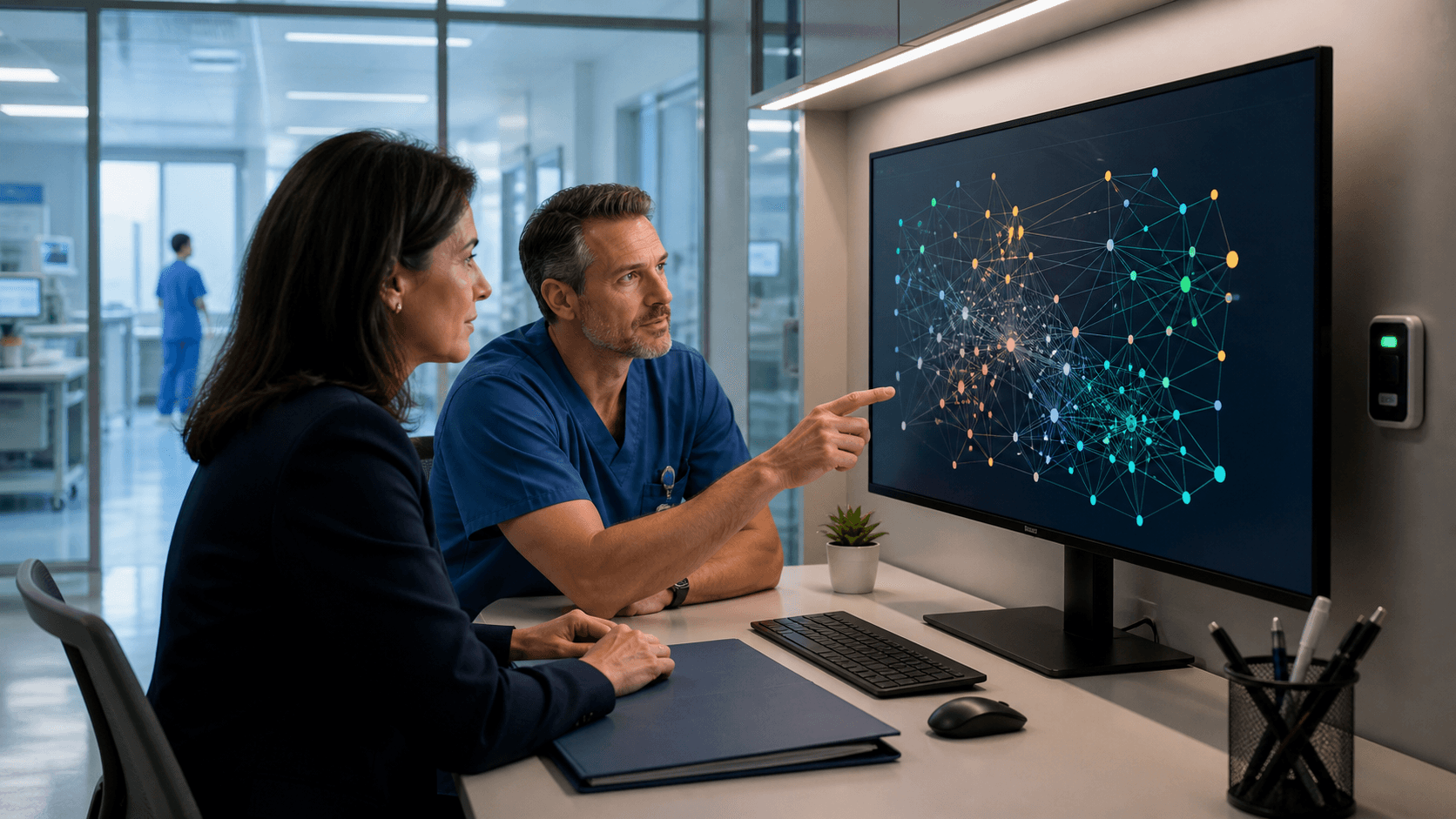
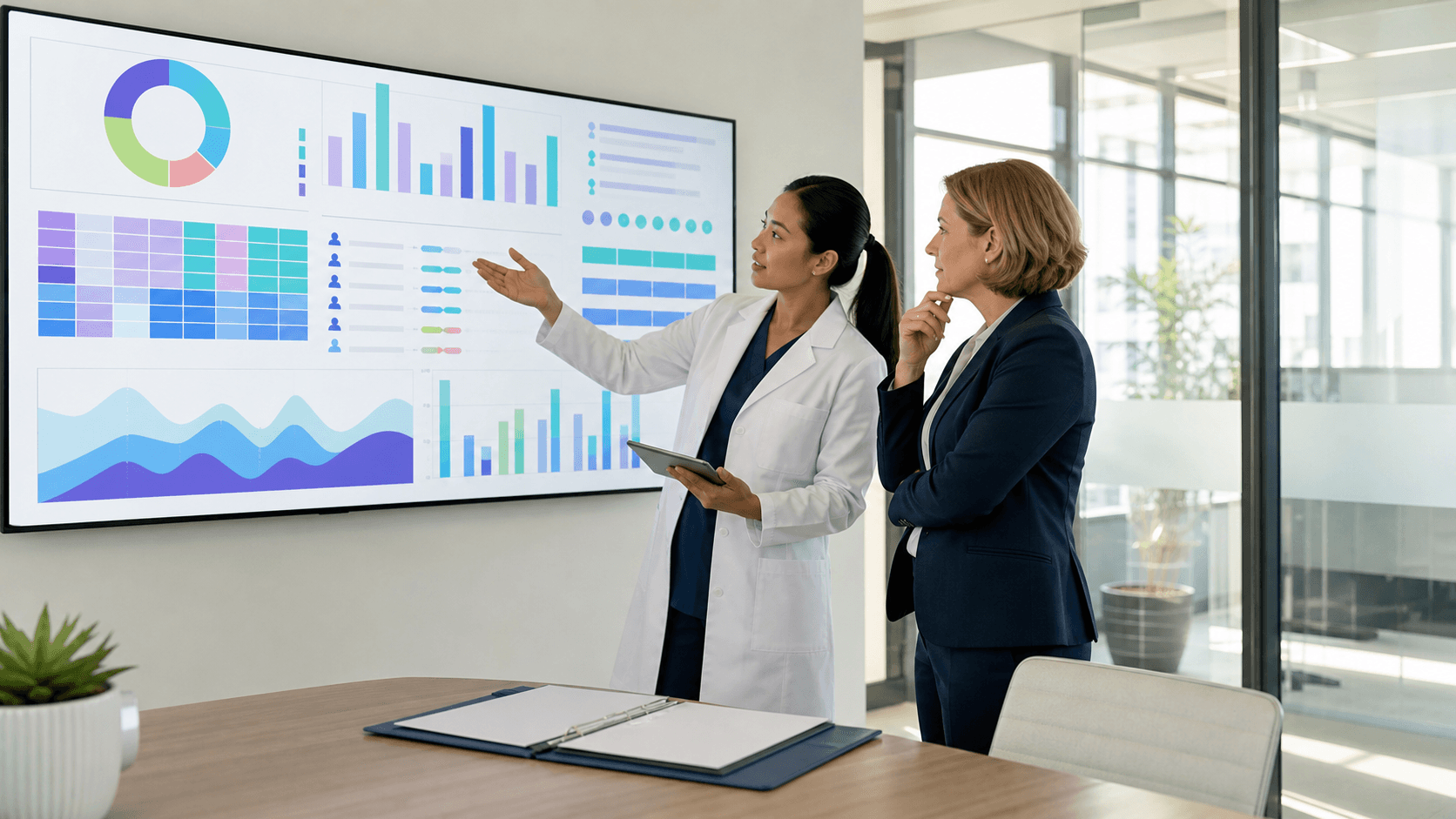
Compliance dashboards can show you a great deal, but a dashboard alone does not explain what happened or what your team decided to do about it. A high alert count may point to work that needs attention, yet each signal still needs context, review, and a documented outcome.
At Clinical Compliance Solutions, we see the strongest workflows move from a signal to a clear case file. That means prioritizing the matter, gathering relevant details, assigning follow-up, recording decisions, and documenting the final disposition. Across drug diversion monitoring, patient privacy monitoring, and clinical documentation support, our goal is not to create more alerts. It is to help your teams act on meaningful information in a responsible, organized way.
Make Healthcare Compliance Dashboard Software Actionable
Healthcare compliance dashboard software is most useful when it takes your team beyond a high-level view and into the details needed for a thoughtful response. Dashboards bring activity into view. A defined review process gives that visibility a purpose.
Rather than treating every signal the same way, we recommend a workflow that reflects your organization's policies and the context available. A case file should keep the facts and the response together, especially when several teams need to participate.
A practical workflow often includes:
- Identifying a signal that may warrant review
- Prioritizing it based on policy and available context
- Assigning the appropriate owner or team
- Recording review steps and supporting information
- Documenting the decision, follow-up, and disposition
This structure helps prevent important details from getting lost in emails, spreadsheets, or informal notes. It also gives pharmacy, privacy, compliance, clinical, security, and operational leaders a shared record of what was observed and what happened next.
A well-kept case file does not presume wrongdoing. It preserves the information reviewed, the questions asked, and the decisions made. That continuity matters when a concern moves between departments or requires further attention later.
DetectRx Prioritizes Drug Diversion Case Review
DetectRx is our AI-enabled platform for continuous drug diversion monitoring. It is designed to support a more focused review process by helping teams identify activity that may need a closer look, rather than relying only on periodic manual review efforts.
Potential diversion concerns can involve many moving parts. Pharmacy teams may need to review medication activity, while compliance, security, leadership, or other authorized stakeholders may need operational context before deciding on next steps. A signal is a starting point for review, not a conclusion.
With an organized case-review approach, your team can document the full response:
- What activity was observed
- Which records or details were reviewed
- Who was assigned to follow up
- What actions were taken under your procedures
- Whether the matter was resolved or escalated
That record supports consistency. It also helps your team avoid a common problem: knowing that something was flagged, but not being able to see how it was reviewed or why a decision was made.
We believe the right question is not simply, "Did the dashboard find something?" It is, "Can our team explain the facts, our review, and our response?" DetectRx supports that disciplined mindset by helping bring potential concerns into a workflow where they can receive appropriate attention.
Haystack IS Adds Context to Privacy Case Review
Haystack iS supports continuous patient privacy monitoring by helping organizations identify access activity that may need additional context and review. Unusual access is not automatically inappropriate access. That is exactly why a consistent, well-documented investigation process matters.
A privacy team may start with a broad view of activity, then narrow its focus as it learns more. Relevant details can include the user involved, the patient record accessed, the timing of the access, care-related relationships, and the follow-up completed by authorized team members.
Healthcare compliance dashboard software can help bring those details into a more organized process. Instead of relying on disconnected messages or separate notes, your team can maintain a case file that shows the sequence of review from the first signal through the final disposition.
A shared record can support coordination among authorized stakeholders, including privacy, compliance, HR, and clinical leadership. When each person is working from the same documented facts, it is easier to see what has already been reviewed, what questions remain, and who owns the next step.
Context protects both patients and staff members. It gives your team room to review access activity fairly, avoid assumptions, and document decisions according to organizational procedures.
Microsoft Dragon Copilot Supports Clinical Documentation
Microsoft Dragon Copilot is a clinical documentation support solution that can help clinicians reduce documentation burden and create a more efficient path from patient conversation to clinical documentation. Clear documentation can help care teams capture important details while keeping the clinician responsible for reviewing the final record.
Documentation support also has a role in compliance readiness. Timely, clinician-reviewed documentation may provide helpful context when your organization needs to understand care activity, validate workflow decisions, or support internal follow-up. It does not replace a review process, and it should not be treated as an automatic answer to every documentation question.
Strong governance keeps the use of AI-enabled documentation aligned with your existing standards. We encourage health systems to connect documentation technology to established policies, training, and clinical documentation practices.
That includes clear expectations around:
- Clinician review before documentation is finalized
- Appropriate use within established clinical workflows
- Training for teams using the technology
- Alignment with organizational documentation standards
- Ongoing oversight by authorized leaders
When documentation is clear and reviewed by the clinician, it can better support the broader record of care. That context may be useful when compliance, clinical, or operational teams need to understand the reasons behind a documented action.
Make Every Signal Ready for Responsible Action
As year-end compliance and operational reviews approach, it is a good time to look beyond dashboard totals. We encourage leaders to ask whether their teams can consistently prioritize signals, coordinate across departments, assign follow-up, and maintain complete records of how concerns were handled. Our portfolio, including DetectRx, Haystack iS, and Microsoft Dragon Copilot, supports connected workflows across drug diversion monitoring, patient privacy monitoring, and clinical documentation support.
The practical takeaway is simple: a signal becomes more valuable when it has a clear path to responsible action. When your teams can move from a dashboard alert to a documented case file, they are better prepared to review concerns with context, consistency, and care.
Turn Compliance Signals Into Clear Next Steps
Clinical Compliance Solutions can help your team connect monitoring insights with a practical workflow for review and documentation. Schedule a conversation about healthcare compliance dashboard software to see how DetectRx can support timely, organized follow-up. We will discuss how your organization can bring relevant data, context, and case details together for stronger compliance oversight.