Turn PHI Oversight Into a Stronger Safety Signal
A PHI access monitoring system should help your team spot concerns sooner, not create another mountain of audit logs to sort through. Privacy, compliance, and clinical teams already manage a high volume of routine activity. When records, medication data, and workflow details sit in separate places, finding the few events that deserve attention can become slow and difficult.
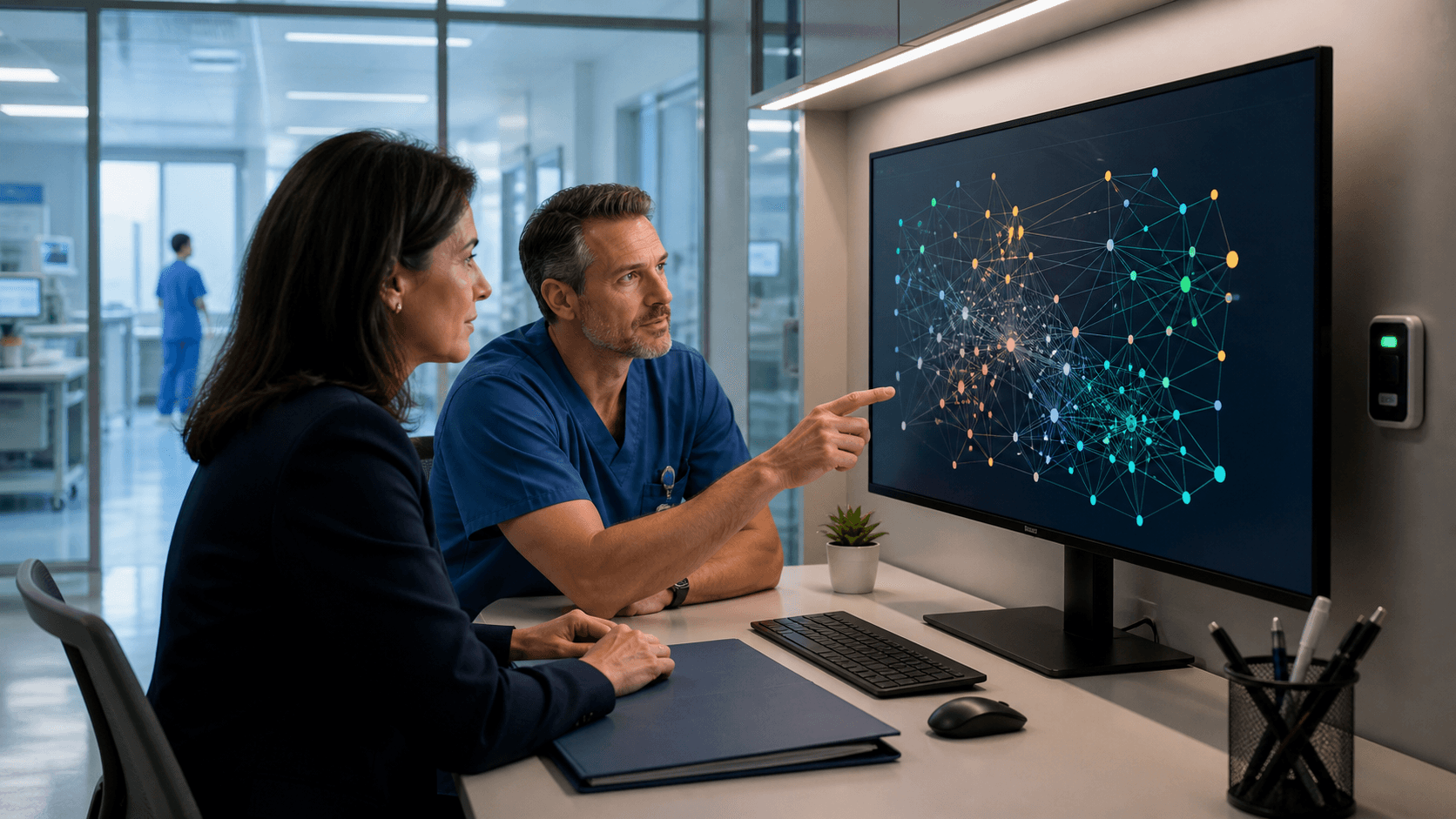
We see the strongest oversight programs move beyond reviewing access only after a complaint or possible breach. The focus shifts to identifying unusual patterns, adding meaningful context, and getting the right concern to the right reviewer. That does not mean treating every user action as suspicious. It means giving your teams clearer evidence, less manual work, and more confidence that appropriate patient care is still supported.
Our connected approach brings together Haystack iS for PHI activity surveillance, DetectRx for potential drug diversion intelligence, and Microsoft Dragon Copilot for AI-assisted clinical documentation workflows. Each platform has a distinct role, but governance works better when the people responsible for privacy, safety, and clinical operations are not working in separate lanes.
Why Fragmented Reviews Miss Privacy Risks
Traditional PHI reviews can become reactive for a simple reason: the information needed to understand one access event may live in several systems. A privacy reviewer may need to pull audit records, compare timestamps, consider the user's role, and determine whether there was a legitimate care-related reason for access. Meanwhile, thousands of routine events can make unusual activity hard to see.
The larger issue is not always a lack of data. Often, it is a lack of prioritized, reviewable intelligence. A privacy team may notice an access concern, while a medication safety team sees a separate controlled-substance irregularity. Clinical leaders may have workflow details that explain part of the picture, but there may be no clear process for bringing that context together.
Disconnected reviews can lead to:
- Delays while teams manually reconcile information
- Repeated investigation work across departments
- Inconsistent case notes and decision-making
- Missed opportunities to identify patterns early
A unified PHI access monitoring system should not erase role separation. Privacy, compliance, pharmacy, security, and clinical leaders have different responsibilities. What they need is consistent evidence, documented decisions, and clear paths for escalating concerns when the facts call for it.
Build a Unified PHI Access Monitoring System
When we talk about a unified PHI access monitoring system, we mean a coordinated framework for identifying, investigating, documenting, and resolving potentially inappropriate access. Unification does not require putting every source of data into one database. It means connecting processes, governance, and investigation context so teams can work from the same foundation.
Haystack iS serves as the privacy surveillance layer in that framework. It helps health systems review PHI access activity, identify patterns that warrant attention, and prioritize investigations. Instead of asking reviewers to treat every audit event the same way, the process can direct attention toward events that deserve deeper review.
Context matters at every step. An access event may be appropriate because of treatment, coverage responsibilities, operational duties, or another authorized purpose. Before an event becomes an allegation, a thoughtful review should consider details such as:
- The user's role and assigned responsibilities
- The relationship between the user and patient
- The location and timing of the access
- Relevant organizational policies and workflow facts
That context protects patients and staff alike. It helps your organization take concerns seriously without making rushed assumptions about intent.
Link Privacy, Diversion, and Documentation Signals
Privacy monitoring should not operate apart from patient safety and clinician workflow priorities. Some risk patterns touch more than one operational area, and your health system needs a defined way to decide when separate signals should be reviewed together. The goal is not to merge every concern into one case. The goal is to make sure meaningful context does not get lost at a department boundary.
DetectRx supports medication safety and compliance teams by helping them identify and investigate potential drug diversion concerns. Its AI-powered intelligence can surface signals that deserve evaluation through your established review and escalation process. A medication irregularity does not automatically indicate diversion, just as an unusual PHI access event does not automatically indicate inappropriate behavior. Human review and fair investigation remain central.
Documentation technology belongs in the broader governance conversation, too. Microsoft Dragon Copilot supports AI-assisted clinical documentation workflows. As your organization introduces and manages clinical technology, we recommend clear policies for appropriate use, user education, access controls, and accountability. Documentation tools can support clinicians, while governance helps your organization maintain clear expectations around privacy and responsible technology use.
Move From Alerts to Defensible Action
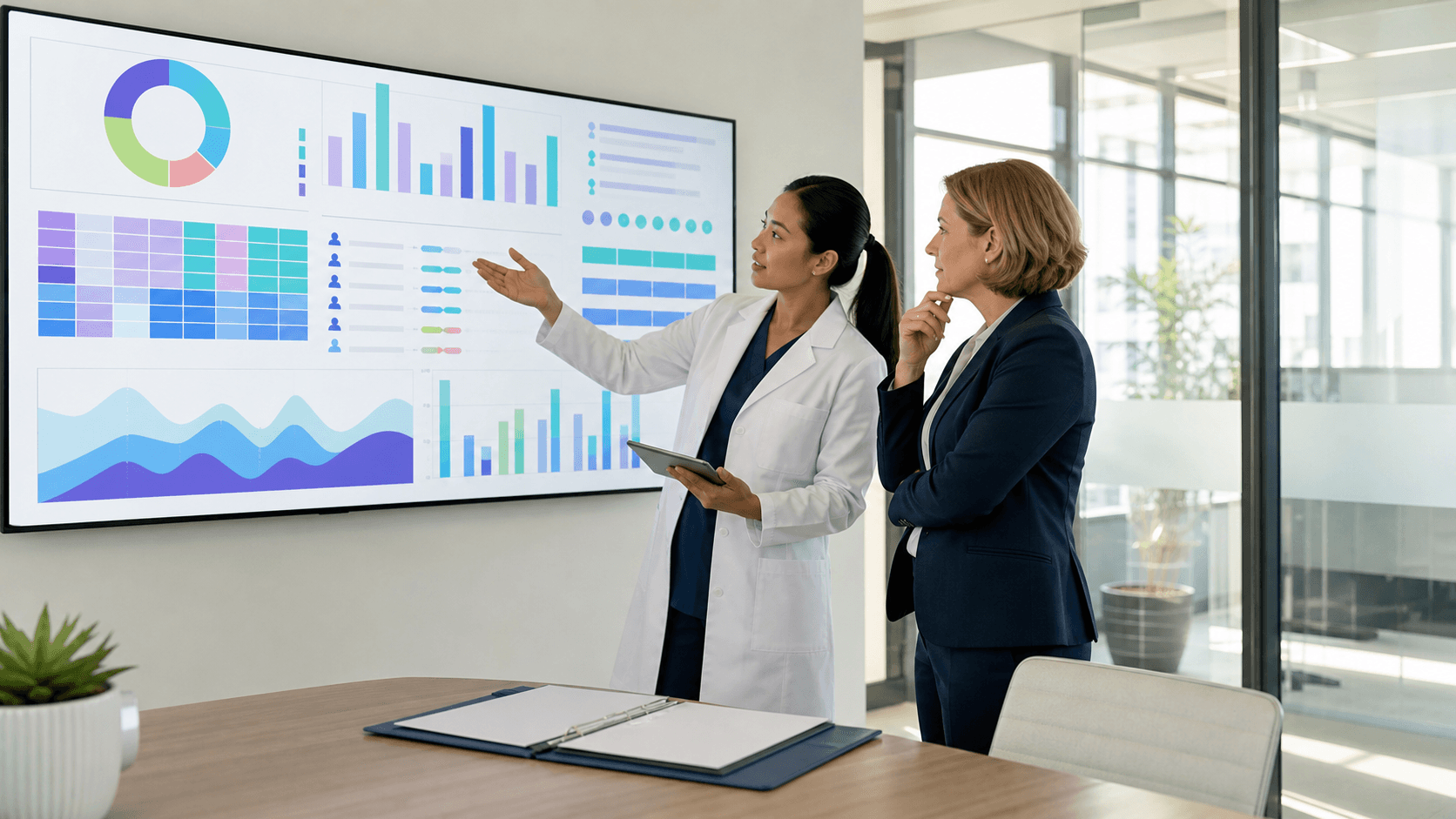
Alerts alone do not improve compliance. A mature monitoring program needs a repeatable process that shows what was reviewed, what context was considered, what conclusion was reached, and what action followed. Without that structure, teams may spend time chasing alerts without building a consistent record of decision-making.
A practical, human-led workflow often includes:
- Prioritizing a signal based on the available information
- Validating the relevant access, clinical, or medication context
- Involving the appropriate privacy and clinical stakeholders
- Documenting the case decision and any follow-up steps
- Determining whether education, policy reinforcement, workflow changes, or added monitoring are appropriate
AI-powered platforms can help manage volume and surface patterns that may otherwise be hard to spot. Still, trained personnel remain responsible for interpreting findings and deciding what happens next. We believe automation should support professional judgment, not replace it. That approach helps create reviews that are fair, consistent, and easier to explain when questions arise later.
Set Q4 Priorities for Connected Oversight
Fall planning is a useful time to look closely at how privacy, diversion, and documentation governance work across your health system. We encourage leaders to identify where manual review is slowing teams down, where investigations lack needed context, and where handoffs among privacy, pharmacy, compliance, and clinical leadership could be clearer.
The practical next step is to define a connected oversight strategy around your real workflows. Clear governance, meaningful context, and documented decisions can help support appropriate PHI access, protect patients, reduce investigation burden, and give your teams stronger evidence for action.
Turn Access Activity Into Actionable Evidence
Clinical Compliance Solutions can help your team strengthen visibility into PHI access activity with context that supports informed follow-up. Schedule a discussion about a PHI access monitoring system built to help identify unusual patterns and document review activity. Our team will discuss how DetectRx can align with your organization's compliance and privacy workflows.