Hospital medication safety monitoring should not begin only when an incident report arrives. Reports, discrepancy escalations, and staff concerns all matter, but they often come after a pattern has already had time to grow. We believe health systems are better served when trusted reporting channels work alongside ongoing visibility into medication activity.
That does not mean every unusual event points to misconduct or clinical error. A signal is simply a reason to look closer. A finding comes only after fair, policy-based review by the right people with the right context.
Earlier Safety Signals Can Prevent Delayed Response
Waiting for a report can leave busy teams with only part of the picture. A nurse may notice something unusual but lack enough information to feel certain. A pharmacy team may see a discrepancy during a demanding shift. Someone may hesitate to raise a concern because they are worried about being wrong, unsure where to escalate it, or concerned about how the report will be received.
We never want hospitals to discourage reporting. Human observation, professional judgment, and open communication remain central to a safe culture. Still, reports should not be the only source of oversight.
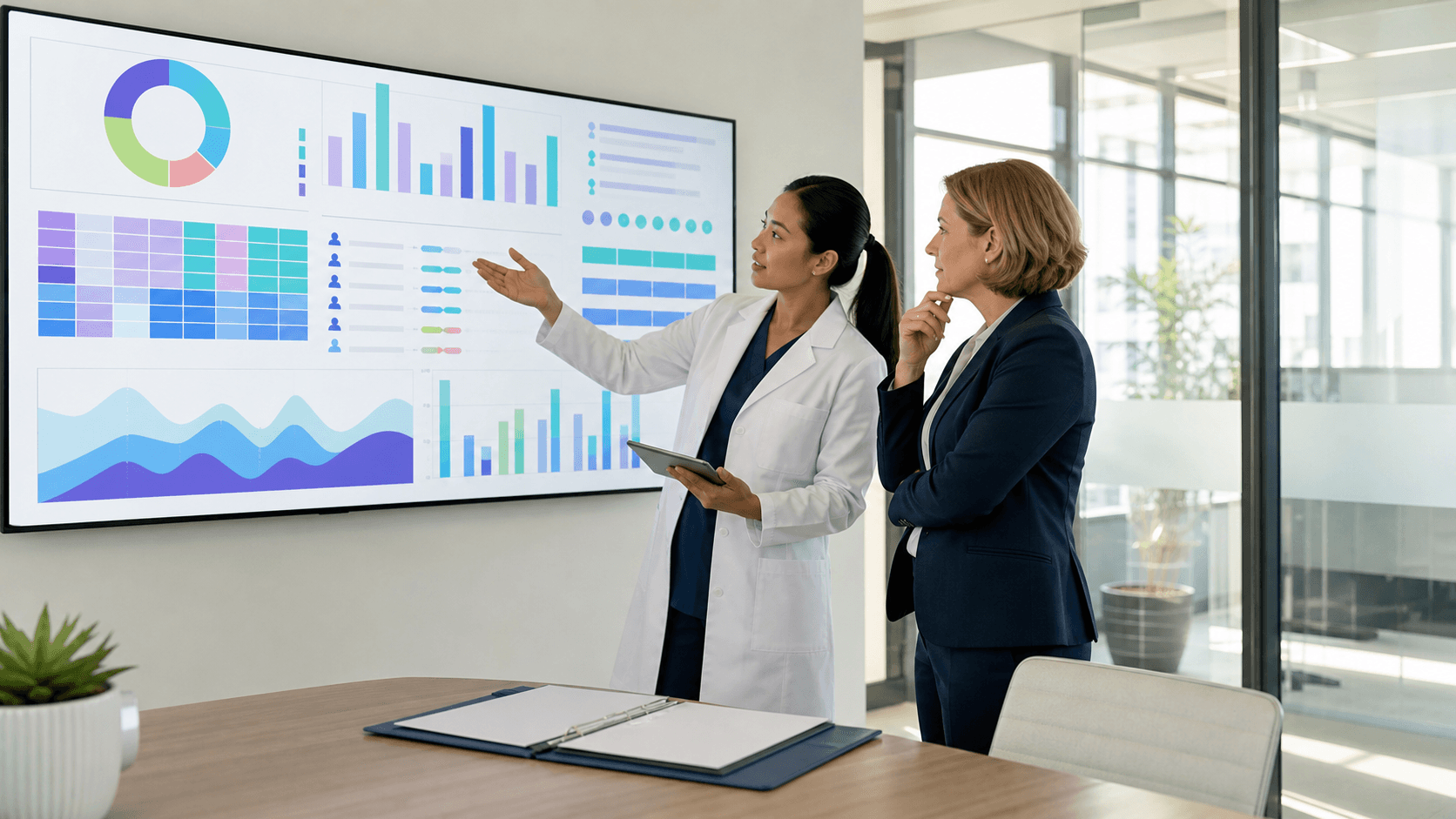
Continuous, risk-informed hospital medication safety monitoring helps authorized teams look beyond isolated events. Instead of reacting to one discrepancy in a single moment, teams can review activity patterns over time and decide whether a closer look is warranted.
A thoughtful program can help leaders identify questions such as:
- Does medication activity differ from expected workflow patterns?
- Is there missing documentation or a repeated variation that needs context?
- Should pharmacy, nursing leadership, compliance, or security review the situation together?
- Are review standards being applied consistently across departments and locations?
As National Pharmacy Week approaches later in October, we see an opportunity to celebrate pharmacy teams and review the systems that support their work every day. Recognition matters, and so does giving those teams better visibility when medication-related risk may be developing.
Medication Activity Can Reveal Investigative Signals
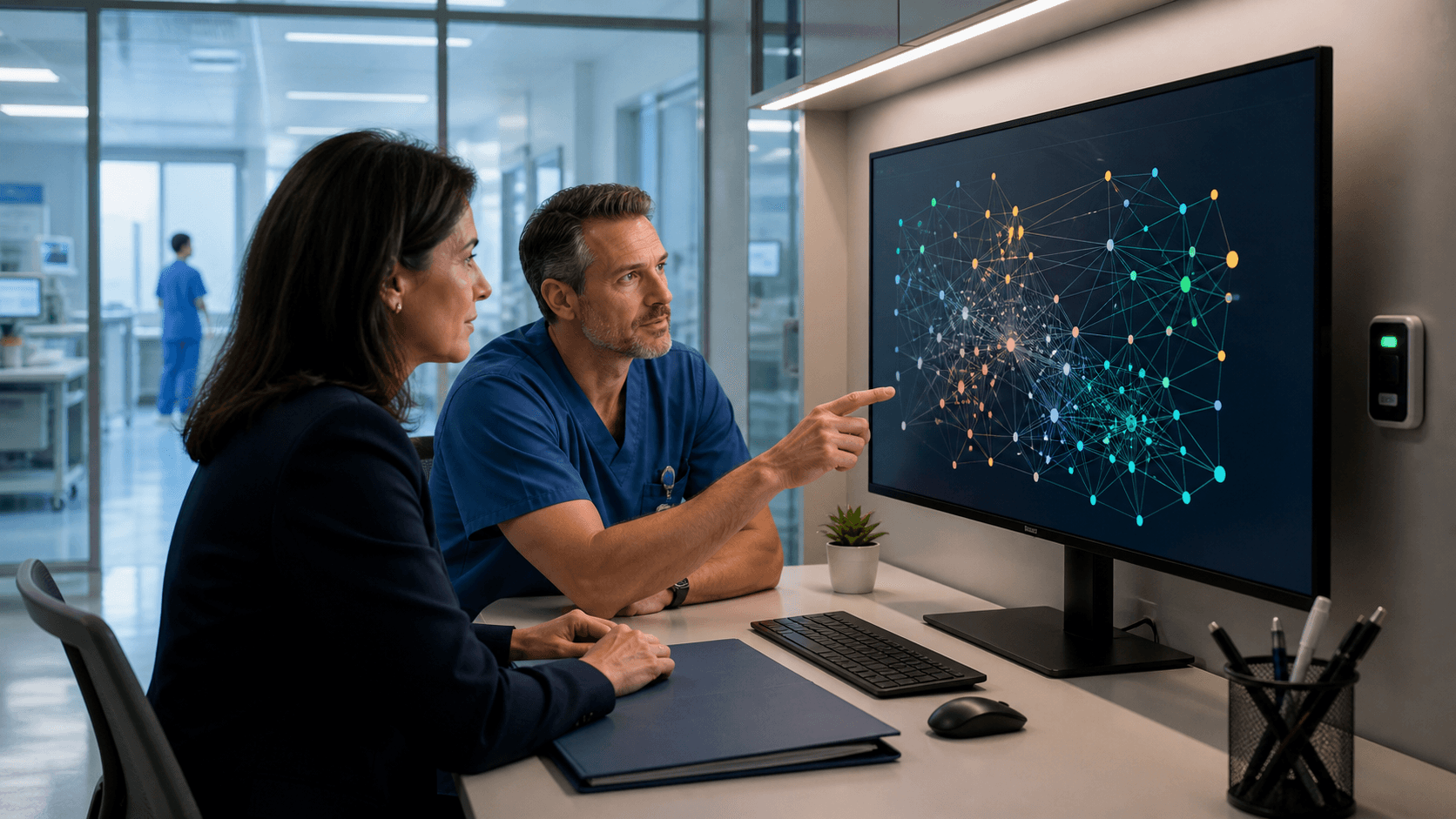
DetectRx is our platform for continuous drug diversion monitoring. It is designed to help hospitals monitor medication activity and bring potentially concerning patterns to the attention of authorized reviewers. This can help teams focus their time on situations that may deserve closer review instead of relying only on retrospective manual processes.
The goal is not to make an accusation based on a flag. A flagged pattern is not proof of diversion, misconduct, or a clinical mistake. It is a signal that deserves careful, objective review.
With earlier signals, we can help hospitals establish a more measured response. Rather than launching a formal investigation because of rumor or one irregular event, leaders can define thresholds, review steps, and escalation paths in advance. That structure gives reviewers a consistent way to gather facts, document their work, and determine whether patient safety, employee support, or compliance action is appropriate.
Human judgment remains at the center of this work. DetectRx can help prioritize attention, but trained reviewers still need to consider the clinical setting, medication workflows, patient needs, staffing conditions, and all relevant documentation. Fairness depends on looking at the full picture, not making assumptions from a single data point.
Privacy Oversight Supports Responsible Reviews
Medication safety and patient privacy cannot operate in separate lanes. When a medication-related concern requires review, authorized teams may need to examine patient records, clinical documentation, and access activity. Those reviews must have a valid purpose, controlled access, and clear accountability.
Haystack iS is our platform for PHI access monitoring. It helps privacy and compliance teams maintain visibility into access to protected health information and investigate activity that may need additional context. This can be especially helpful when a sensitive review involves several departments with different roles.
A medication-monitoring signal and a PHI access-monitoring signal should each be evaluated under the organization's own policies and evidence standards. Neither signal should be treated as automatic proof that someone acted improperly.
Strong governance helps clarify:
- When pharmacy, privacy, compliance, HR, legal, security, and leadership should be involved
- Who may review sensitive information during a case
- How case notes and supporting records are protected
- How findings, actions, and follow-up are documented
By defining these boundaries before a concern arises, we can help health systems protect patient privacy while responding to possible safety issues in a disciplined way.
Clear Documentation Supports Safer Follow-Up
Once a concern needs review, documentation quality can shape what happens next. Incomplete or unclear notes can make it harder to understand the patient context, reconstruct events, and separate a workflow issue from a potentially serious compliance concern.
Microsoft Dragon Copilot, available through us, supports clinical documentation workflows. Documentation support can help clinicians spend less effort on manual documentation tasks while keeping their focus on the patient encounter. It is a complementary solution for clinical documentation, not a drug diversion monitoring or PHI access monitoring platform.
Technology-supported documentation still requires clinician review and verification. Hospital policy should guide how documentation is created, reviewed, corrected, and handled. Clear records can support better communication between care teams and authorized reviewers, but they cannot replace clinical judgment, medication controls, or a formal investigation process.
When documentation, medication monitoring, and privacy oversight work together, teams have a stronger foundation for understanding what occurred and responding appropriately.
Make Proactive Review Part of Daily Safety Work
Hospital leaders can begin by mapping the current medication safety reporting and escalation process. Where do delays occur? Which teams have visibility into potential concerns? What happens when a signal needs context from more than one department? Honest answers can reveal gaps that are hard to see when a process depends only on reports.
We recommend defining clear roles before a sensitive issue emerges. DetectRx, Haystack iS, and Microsoft Dragon Copilot each address different parts of the larger picture: medication safety monitoring, PHI access oversight, and clinical documentation support. Together, they can support a more organized approach to reviewing concerns without treating monitoring as surveillance for its own sake.
The practical takeaway is simple: do not wait for a report to be the first sign that something deserves attention. Earlier signals, careful review, protected privacy, and clear documentation can help teams respond consistently while protecting patients and supporting staff.
Strengthen Medication Safety Oversight
Clinical Compliance Solutions helps organizations build a more consistent approach to identifying and reviewing medication-related concerns. Schedule hospital medication safety monitoring with our team to discuss how DetectRx can support timely, privacy-conscious oversight. We will help you consider a workflow that aligns with your documentation needs and staff responsibilities.