Protect Patient Trust Through Fair Privacy Reviews
Every medical-record access event deserves careful interpretation before it is treated as a privacy concern. Patients trust you to protect their protected health information (PHI), and your workforce deserves a fair process when questions arise about record access. At Clinical Compliance Solutions, we believe strong privacy oversight must do both.
October is Cybersecurity Awareness Month, and October 20 is a useful reminder that privacy protection is about more than technical safeguards. We also need thoughtful review processes that help privacy teams understand what happened, why it happened, and whether follow-up is needed. A flagged event is a reason to look closer, not proof that someone acted improperly.
Potentially Inappropriate Access Needs Context
An access event can look unusual on its own while still having a legitimate work-related reason. A clinician may be responding to an urgent consult, covering another team, coordinating care, or carrying out an operational duty. Without context, a timestamp or access count cannot tell the whole story.
When we support privacy reviews, we encourage teams to ask questions that bring the event into focus:
- Did the workforce member have a relevant clinical, business, or operational role?
- Was there a care relationship or another legitimate work-related connection?
- What activity occurred in the record, and what information was accessed?
- Did the timing align with cross-coverage, care coordination, or another responsibility?
Raw access volumes can be helpful signals, but they are not conclusions. The same is true of an isolated late-night login or access to a record outside a person's usual department. By reviewing the facts in context, you can reduce unnecessary escalation and give patients and staff a more equitable process.
Haystack iS Turns Privacy Signals Into Case Context
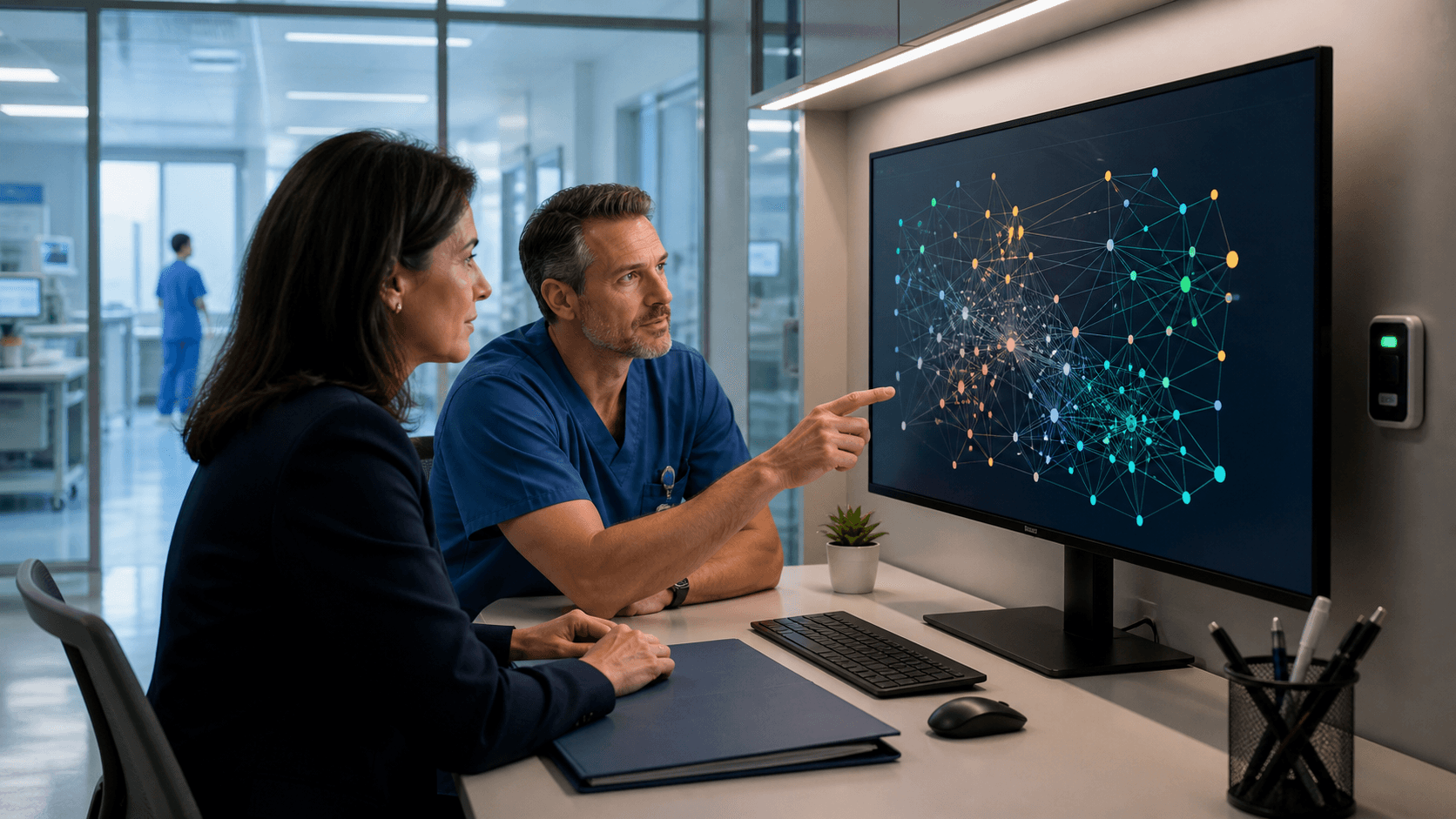
Haystack iS is our AI-powered patient privacy monitoring solution for healthcare organizations that need to monitor PHI access and investigate potential privacy concerns. Haystack's privacy monitoring helps privacy teams move beyond disconnected access logs and toward a clearer view of the activity that may need attention.
Instead of requiring investigators to manually piece together every available signal, Haystack iS helps organize relevant activity and case context within a workflow designed for investigation. That can help your team spend less time sorting through scattered information and more time reviewing the details that matter.
AI has an important supporting role here, but it should not replace human judgment. We designed Haystack iS to help teams focus attention on activity that may warrant review. Designated privacy professionals still evaluate the facts, apply your organization's policies, document their reasoning, and determine what happens next.
Consistent Workflows Support Fair Reviews
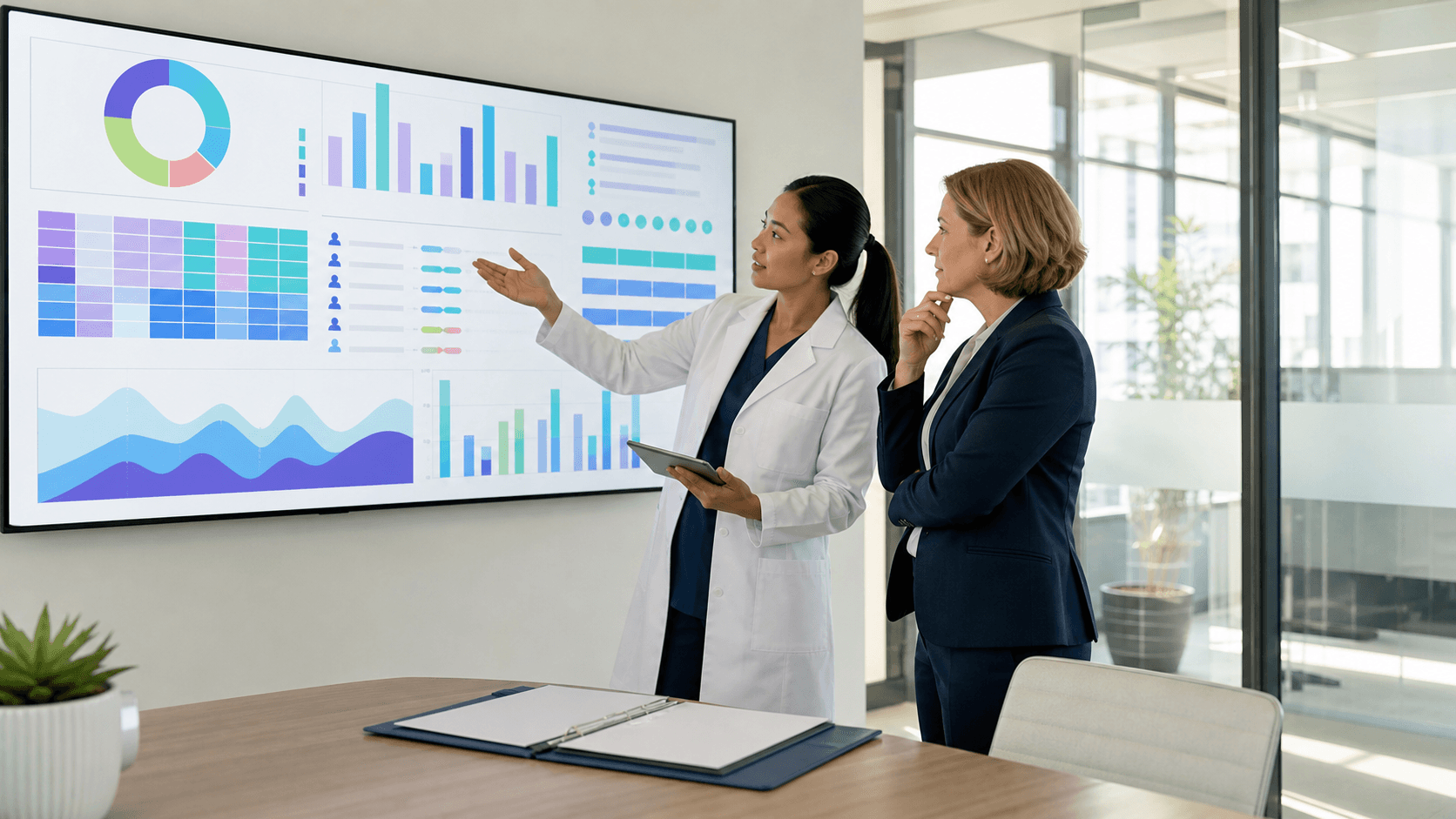
Consistency matters when privacy teams review potential concerns. If similar events are handled in very different ways, your organization may face incomplete documentation, uneven treatment, or conclusions based on only part of the available information. A structured workflow gives reviewers a dependable path from a potential signal to a documented decision.
Haystack's privacy monitoring can support investigation practices that help your team:
- Gather relevant information around a potential privacy concern
- Review activity through a repeatable process
- Record findings and the rationale behind a decision
- Maintain an auditable account of how the concern was evaluated
This kind of process protects both sides of the privacy relationship. Patients benefit when their health information receives meaningful oversight. Workforce members benefit when a flagged event is reviewed with attention to legitimate duties rather than being treated as misconduct from the start.
Clear documentation also helps privacy teams explain how they reached a conclusion. When a review captures the activity, context, findings, and rationale, your organization has a stronger record of a fair and informed process.
Privacy Monitoring Has a Distinct Purpose
Patient privacy monitoring is not productivity tracking. Its purpose is to review the appropriate access and handling of PHI, not to measure how much someone works, how quickly they complete tasks, or their overall job performance. Keeping that purpose clear helps your organization set appropriate boundaries for privacy oversight.
It is also separate from clinical documentation support. Microsoft Dragon Copilot supports clinical documentation workflows, while Haystack iS addresses PHI access monitoring and the investigation of potential privacy concerns. Both can serve important functions, but they are not the same function and should not be treated as interchangeable.
The same distinction applies to drug diversion monitoring. DetectRx is designed to help healthcare organizations address potential drug diversion concerns. Haystack iS focuses on patient privacy and PHI access. Separating these purposes helps us support clearer governance, purpose-specific review processes, and more appropriate handling of each type of concern.
Strengthen Trust with Context-Aware Reviews
Patient privacy monitoring should be an ongoing trust-building responsibility, not a culture of surveillance. When potential concerns receive timely, consistent, and context-informed review, you can take PHI protection seriously without assuming that unusual activity tells the full story.
A fair review process keeps human judgment at the center. Privacy signals can help your team know where to look, while case context, documented reasoning, and consistent workflows help ensure that each concern is evaluated on its own facts.
Strengthen Privacy Oversight With Clearer Insights
Clinical Compliance Solutions helps healthcare organizations build privacy workflows that support consistent, defensible review. Schedule a conversation about Haystack's privacy monitoring to see how our team can help surface meaningful access patterns and support your compliance goals. We will work with you to understand your organization's privacy-monitoring needs and next steps.